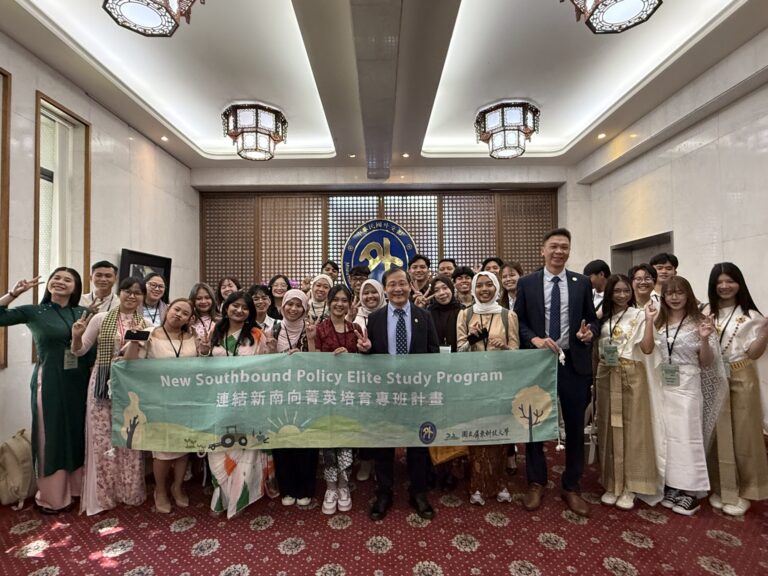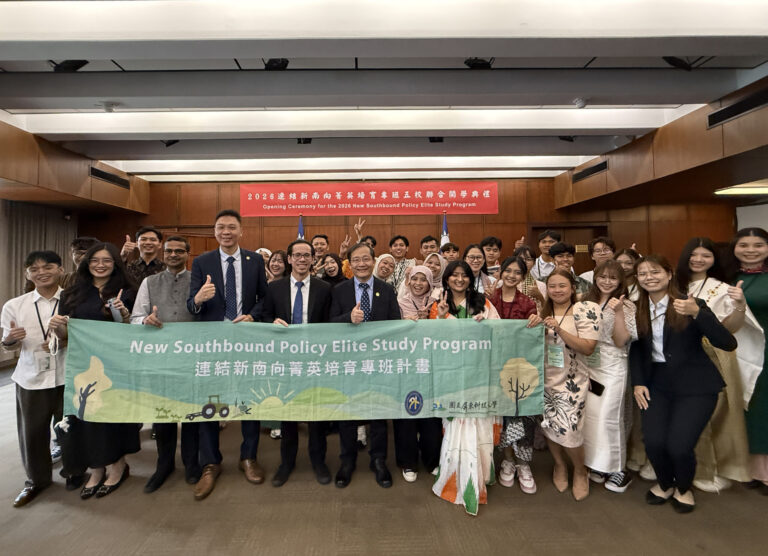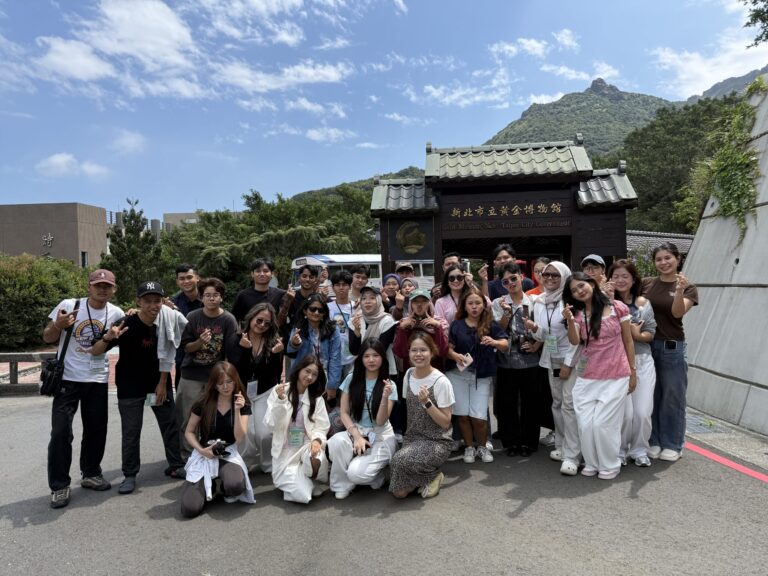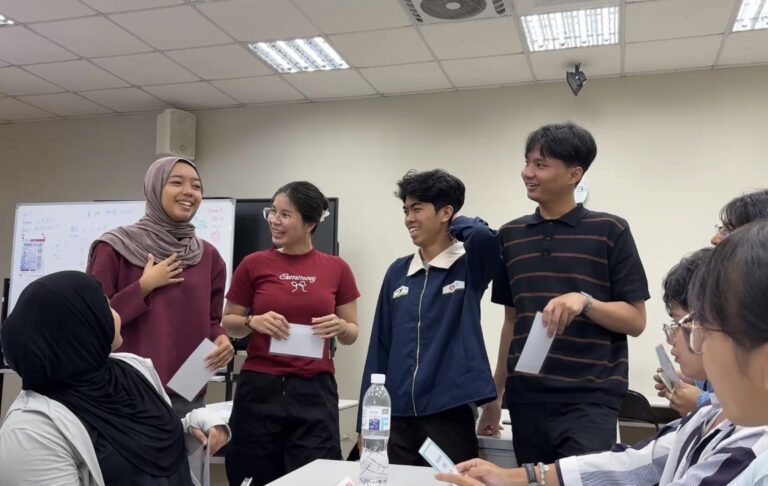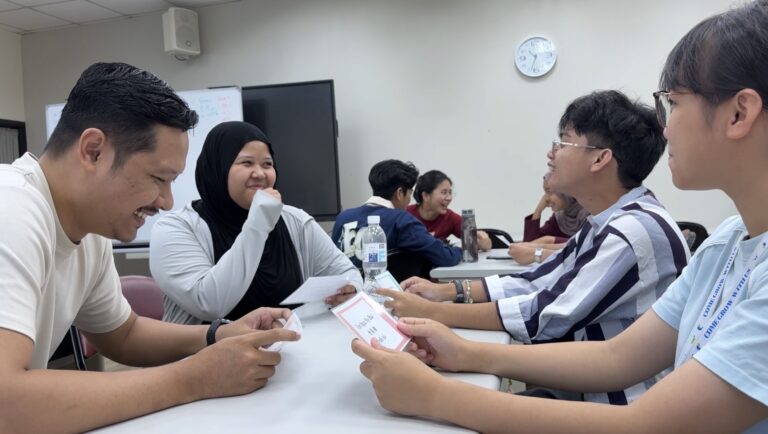
Continuing to leverage its professional strengths in agriculture, forestry, fisheries, and animal husbandry, National Pingtung University of Science and Technology (NPUST) is deepening educational exchanges and talent cultivation with New Southbound Policy countries. Marking its fourth consecutive year of participation in the Ministry of Foreign Affairs’ “New Southbound Policy Elite Study Program,” NPUST welcomed 29 students to its specialized program this semester, further strengthening its commitment to the project. These youths hail from five countries, including 11 from Indonesia, 9 from Thailand, 4 from Vietnam, 3 from the Philippines, and 2 from India. With the new semester underway, the trainees are already successively engaged in professional courses and Mandarin language learning and comfortably integrated into their one-semester campus life at NPUST.
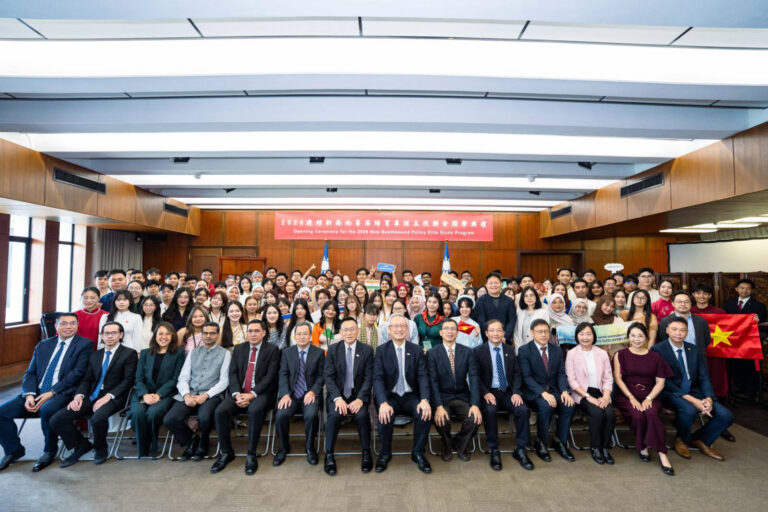
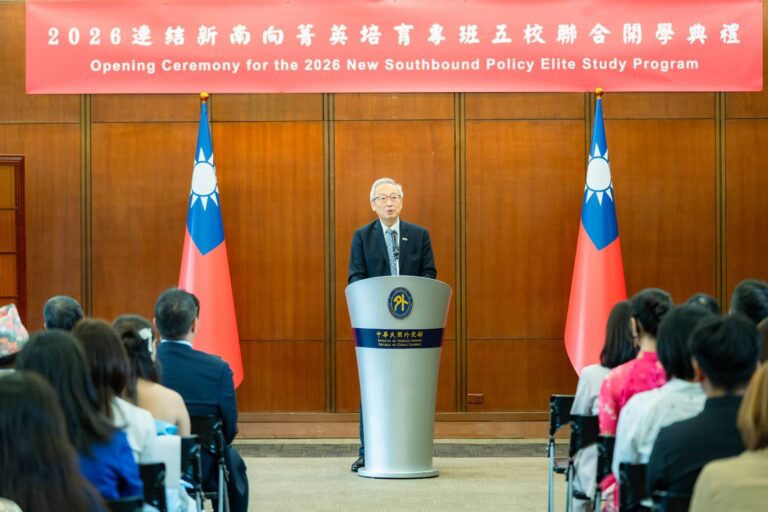
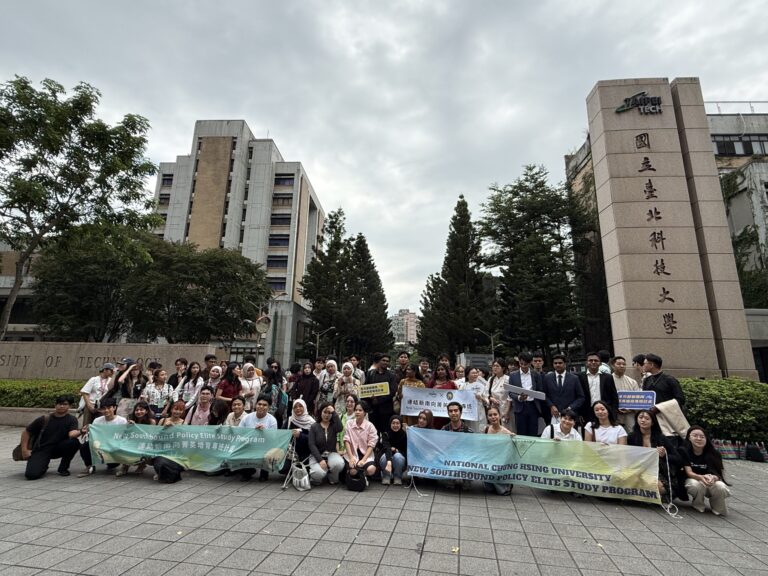
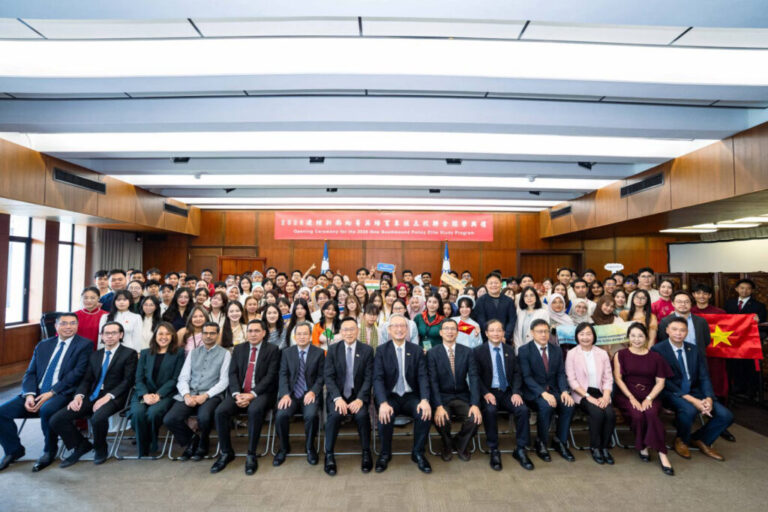
On September 7, Deputy Minister of Foreign Affairs François Wu hosted the “2026 Five-University Joint Opening Ceremony for the New Southbound Policy Elite Study Program” at the Ministry of Foreign Affairs in Taipei. NPUST was represented by Vice President Fang-Ming Lin, who delivered a speech on behalf of the university and Dean of International Affairs Kun-Yu Liu who led the group of international trainees. At the event they gathered alongside representatives from partner institutions such as Taipei Medical University, National Taipei University of Technology, National Quemoy University, and National Chung Hsing University to jointly commemorate the start of a new academic journey.
In his remarks that day, NPUST Vice President Fang-Ming Lin expressed gratitude to the Ministry of Foreign Affairs for the support that has enabled NPUST to participate in the specialized program for four consecutive years. He also extended special thanks to various overseas representative offices and service offices for their efforts in student recruitment and program promotion.
NPUST, which enjoys an international reputation in the fields of agriculture, forestry, fisheries, and animal husbandry, is helping the trainees acquire agriculture-related knowledge and practical skills through its diverse professional courses. The students are also being provided with Mandarin language classes and guided visits to various cities and counties so that they can gain an in-depth understanding of Taiwanese culture, cuisine, and local characteristics. This November marks the 102nd anniversary of NPUST’s founding, and the trainees will also have the opportunity to participate in a series of events during the celebration week which will further enrich their time spent in Taiwan.
Over the coming months, the 29 program trainees are expected to build a transnational network of connections, transforming their experience at NPUST into source of lasting relationships that foster continued exchange, collaboration, and engagement with Taiwan in the years ahead.